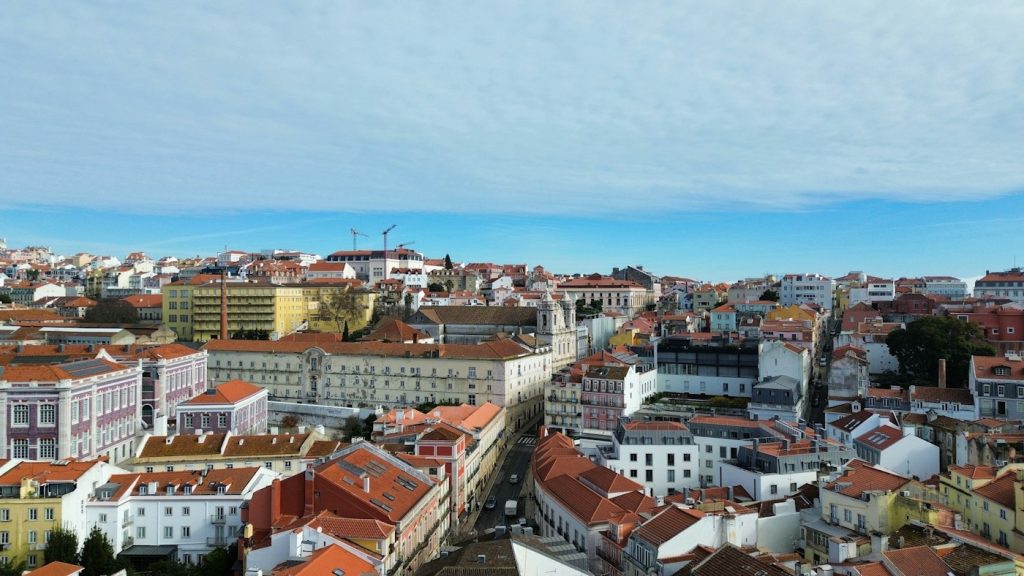
Stock photograph by Steve Matthews / Unsplash.
Lisbon is a city where the space between the sights deserves some attention. Tiled façades, changing views and a pause for a pastel de nata can easily become the part you remember. A good plan allows for that. It also recognises that a short line on a map may involve a climb.
Build in “hill time” from the start. Give one neighbourhood a proper half-day, choose a manageable route, and avoid turning a first visit into a race between viewpoints. This guide focuses on decisions that help, leaving live fares and opening arrangements to official sources.
THE QUICK ANSWER
Explore one neighbourhood at a time and leave room for the hills. Check the accommodation entrance, luggage route and access needs before choosing a base; confirm the current arrangements for the sights and transport your day depends on.
Choose the base around your needs
Start with the accommodation entrance, not simply the neighbourhood name. Ask about steps, lifts, the route with luggage and the nearest useful transport stop. If access is important to you, request specific details rather than accepting an unqualified “accessible” description.
Consider Baixa and Chiado if you are looking for a central base. Alfama may appeal for its lanes and atmosphere; Belém for a stay focused further along the river. Compare each candidate with your own priority places and likely evening plans. The best choice is the one that makes those journeys practical.
An atmospheric street can have noise, slopes or limited vehicle access. Read recent reviews for patterns and contact the property about anything that could change your decision. A lower room rate is not a saving if the location makes every day harder than it needs to be.
Give Alfama enough time
Visit Lisboa’s Alfama guide describes steep inclines and cobbled lanes, and points to viewpoints such as Santa Luzia. Choose your route with those conditions in mind. A viewpoint can be the outing, rather than a brief stop on the way to five more things.
Leave room to turn back or take a different route. If you are hoping to visit a particular venue, check its current visitor information and work out how it fits with the climb. Do not assume a sightseeing itinerary is a step-free route.
If fado interests you, research a specific performance and understand the booking terms, food arrangements and expectations before reserving. Make it an intentional part of the evening instead of a compulsory item attached to every Lisbon day.
Put Belém in its own part of the plan
Group Belém’s cultural sights and riverside walking into the same part of the plan: choose the museum or monument that interests you most, then decide which nearby stops fit comfortably around it.
Do not assume that every landmark will be open or that admission is always available on arrival. Check the official page for the attraction you select. Keep the surrounding walk as an option, and have a second idea in case closure, weather or access makes the main plan unsuitable.
A flexible three-day example
The outline below is hypothetical. It leaves space for arrival and avoids promising specific admission or transport arrangements.
- Day one: settle into your accommodation and explore a manageable part of the centre. Find dinner near your base and save a longer climb for when you are rested.
- Day two: spend a half-day in Alfama or another area you are curious about. Choose one viewpoint or visit, then leave the afternoon open for a slower meal or a second short outing.
- Day three: focus on Belém or a museum that matches your interests. Protect your departure connection if you are leaving that day; a final pastry stop should not become a sprint.
More time gives you choices. You can explore another part of Lisbon, return to a favourite area, or research a day trip such as Sintra. A separate excursion requires its own transport and admission planning; it should not be squeezed into a spare afternoon without checking the complete journey.
Plan food stops without overbooking
Save a few possible places around each day’s route. Check current menus and opening times, particularly if you need specific ingredients or preparation to be confirmed. Keep one straightforward option for the evening you are tired and do not want another search.
A café pause can make a hilly outing more manageable. It also gives you time to notice where you are. A warm nata and a quiet moment are good reminders that an enjoyable trip contains things that never needed a ticket or a detailed itinerary.
Finish the practical checks
Use Visit Lisboa as a starting point for official destination information, then confirm the details with your accommodation, attraction or transport operator. Recheck transport and access arrangements close to departure, especially where your day depends on a particular service.
Before committing, write down your arrival route, room access needs, one main activity per day and the total quoted cost. The First Solo-Trip Planning Pack gives you worksheets for all four. Then leave the gaps alone: Lisbon needs a little room between its hills.
Planning another Portuguese city stop? Compare Lisbon and Porto, then use the Porto first-timer guide for bases, transport and a flexible city itinerary.