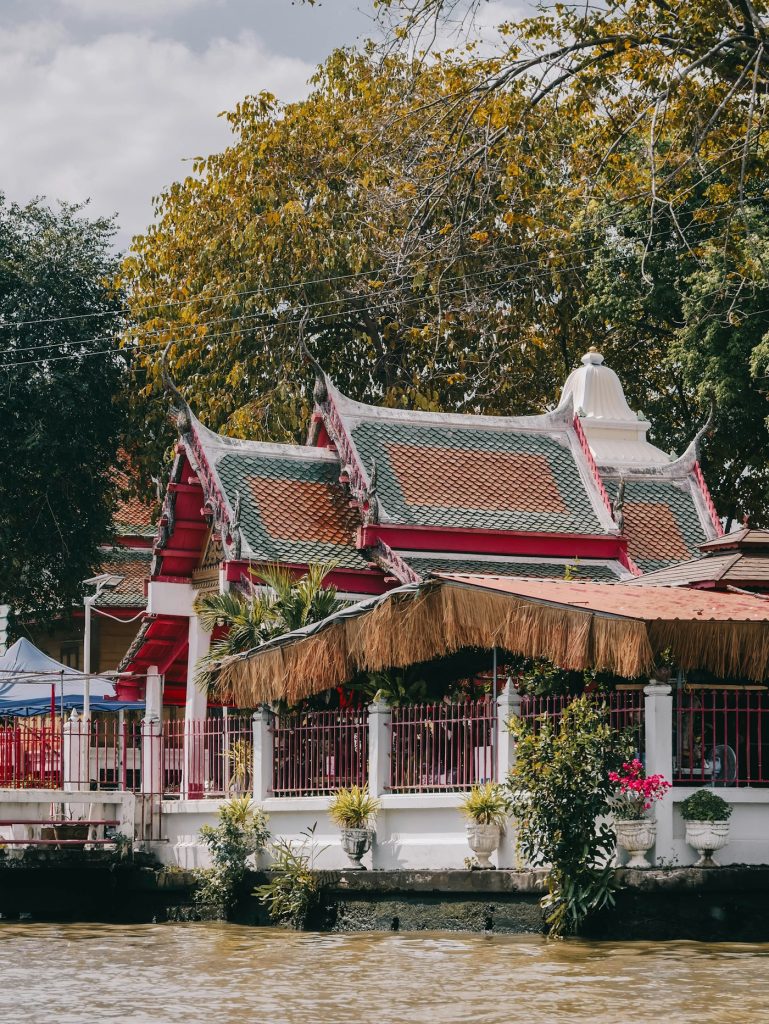
Stock photograph by Lisa van Vliet / Unsplash.
Griff visited: Summer 2025 · Planning information checked: 5 October 2026. Recommendations below are independently researched; they are not a record of Griff’s exact accommodation, transport or itinerary.
Bangkok rewards a plan with room in it. Temples, riverside walks, busy streets and long lunches can all belong to the same trip. They do not all need to belong to the same afternoon. Begin with a few places you care about, then arrange the rest around geography and the amount of energy you actually have.
Use this guide to choose the shape of your visit, then check the practical details for your dates with the relevant operator. The aim is to arrive with a useful base and a few good ideas, rather than a schedule that leaves no room for the city itself.
THE QUICK ANSWER
Choose a base around the places you most want to see, group each day around one area, and leave nearby stops optional. Check visitor rules and transport with the relevant operator before booking.
Choose the shape of your visit
Bangkok works especially well for travellers who want a city at the beginning or end of an island trip. Two full days can cover a focused first visit; three or four give room for the Old Town, a different neighbourhood and a slower day. These are planning recommendations, not Griff’s trip length.
If you arrive after a long flight, count arrival day as settling-in time. An easy meal and short walk near your accommodation are a better starting point than an expensive reservation across the city. With a week, add depth or a separately researched day trip rather than multiplying daily transfers.
Choose a base before filling the itinerary
A hotel on a famous road can still be inconvenient for the things you want to do. Put three priority places on a map, add the accommodation you are considering, and look at the complete journeys between them. Include the walk from the station, road crossings and any change of transport.
The Old Town makes sense if historic sights are the centre of your plan. A location near a useful rail connection may suit a trip spread across several areas. Chinatown can be a compelling place to spend an evening, but judge a particular property by its street and your tolerance for activity outside. The Bangkok accommodation guide walks through those trade-offs.
| Area | Useful for | Main trade-off |
|---|---|---|
| Old Town / Rattanakosin | Temple-led visits and historic Bangkok | Check how you will reach rail-connected parts of the city |
| Sukhumvit near a useful station | A visit spread across several neighbourhoods | The road is long: the actual station and street matter |
| Silom / Sathorn | Rail access and a city base with riverside options | A riverside hotel and a rail-adjacent hotel offer different journeys |
| Chinatown / Yaowarat | Food-focused evenings and neighbourhood atmosphere | Noise and the particular room location deserve attention |
Give each day one main area
Start with a simple division: historic Bangkok, a different neighbourhood, and an open day. Choose one main commitment for each day and two optional stops nearby. An optional stop should be something you can drop without losing money or spoiling the point of the day.
For a temple-focused day, decide which site you most want to see and make that the anchor. Check its visitor information directly. The Grand Palace’s official practical information includes dress requirements and arrival information. Read the current rules rather than assuming every temple follows identical arrangements.
For another day, make the focus food, shopping, a museum or a long neighbourhood walk. Choose according to your interests rather than the length of someone else’s highlights list. Leaving after an enjoyable half-day is better than turning every evening into a recovery session.
Airports: BKK and DMK are not interchangeable
Check the three-letter airport code on every flight. Suvarnabhumi (BKK) has an Airport Rail Link connection; Don Mueang (DMK) has Red Line rail and airport-bus options. A ticket saying Bangkok does not mean your next flight leaves the airport where you landed. Use Suvarnabhumi’s airport guide or Don Mueang’s passenger information for your actual terminal.
Rail is useful when the onward station connection fits your hotel and luggage. An authorised taxi can make more sense with a late arrival, several bags or a group. For separately booked onward flights, allow for immigration, baggage, check-in and traffic. Avoid treating a published airport-to-airport drive time as a guaranteed connection.
Plan the connections, not every minute
Look up the outbound journey and the journey home. The BTS route and fare tool is a useful starting point for journeys on its network. Other operators require their own information; a city map is not proof that one ticket covers every service.
Avoid making a tight chain of separately booked activities across the city. A late start or slow connection should not unravel the whole day. If you want an evening reservation, keep the preceding afternoon nearby and leave space to return to your accommodation.
A flexible three-day outline
This is a planning example, not a timed route or a claim about opening days. Reverse the order to match your arrival, reservations and interests.
- Day one: settle in, find an easy meal near your base, and take a short orientation walk. If you arrive early and feel well rested, add one nearby stop.
- Day two: choose your main historic sight, check its entry arrangements, and add a meal and an optional riverside pause in the same part of the city.
- Day three: give a different neighbourhood a proper half-day, then use the remaining time for the thing you skipped, a longer lunch or a quiet afternoon.
With more days, deepen the visit before adding distance. Return to an area you enjoyed, choose a museum that matches a real interest, or leave a whole morning undecided. A day trip needs its own transport research and deserves enough time to be more than a journey there and back.
Make food part of the plan
Save a few possible places near each day’s route, then check their current opening arrangements. A flexible shortlist is more useful than one compulsory meal on the other side of the city. If you have dietary requirements, prepare a clear explanation and ask specific questions about ingredients and preparation.
Keep an easy fallback near your accommodation. On arrival day, being fed and rested may matter more than finding the meal you saw online. Later in the trip, you can give food the time and attention it deserves.
Budget: price the plan, not a generic daily total
Thailand uses baht (THB). The Grand Palace currently lists THB500 admission for foreign visitors. Suvarnabhumi’s authorised metered-taxi information lists a THB50 airport surcharge in addition to the meter; tolls and applicable baggage charges can add to the total. Check those official pages again before travel.
For the rest, build three columns: accommodation for your actual dates, daily meals/local journeys, and named admissions or tours. Add domestic transport and an arrival/departure buffer separately. A rail-adjacent room can save repeated taxi spending; an apparently cheap distant room may not. Hotel quotes, exchange rates and flight fares change too much for one daily number to be a promise.
Timing, booking and avoidable mistakes
For a walking-heavy first visit, November–February is a useful starting window: the Tourism Authority describes these as the cooler, less humid months. Bangkok is still a hot city, so keep a midday pause. Outside that window, allow more flexibility around heat and rain rather than abandoning the city altogether. Check the actual holiday calendar and local forecast before fixing outdoor visits.
- Book accommodation and onward flights first, then build sightseeing around their geography.
- Do not fill arrival day with non-refundable commitments.
- Check official visitor rules rather than accepting an unsolicited claim that a major sight is closed.
- Keep food choices flexible: save possibilities along your route and an easy fallback near your room.
- Include drinking water, rest and station walks in a realistic day.
Where to go next
Use the Thailand island-hopping route to choose one coast before trying to combine both. Compare Phuket and Krabi for the Andaman side, or Samui, Phangan and Tao for the Gulf. The Thailand destination board keeps the cluster together.
For a practical budget and first-day worksheet, the First Solo-Trip Planning Pack can help turn those decisions into a workable trip. The guide’s recommended outline is separate from Griff’s personal Field Notes.
Before you book
- Confirm the exact accommodation address, room type and arrival arrangements.
- Check the official visitor information for your main attraction.
- Compare complete transport journeys and leave a realistic buffer.
- Keep one part of each day optional, including a plan for resting indoors.
- Put the quoted costs into one budget before committing to extras.
The First Solo-Trip Planning Pack turns these decisions into a trip brief, budget and first-day plan. Start with the basics; Bangkok will supply plenty of detail once you get there.
For a day outside Bangkok, use the Bangkok day-trips comparison to choose a manageable excursion and plan both the outward and return journeys.