
 Gruffydd
A full breakdown of the best areas with pros/cons, price ranges, and who each suits.
Quick Answer: The Short Version
Bangkok’s a sprawling mix of old temples, sky-high malls, and buzzing nightlife, so where you stay completely changes your trip.
If it’s your first time:
- Old Town / Riverside → temples & culture
- Sukhumvit (Asok–Thonglor) → modern, connected, nightlife
- Siam / Pratunam → shopping & central location
- Chinatown (Yaowarat) → food & local chaos
- Ari / Phrom Phong → cafés, calm, creative vibes
👉 For day-by-day ideas, see the Bangkok Itinerary.
Old Town / Rattanakosin: Temples at Your Doorstep
Best for: first-timers, culture lovers, photographers
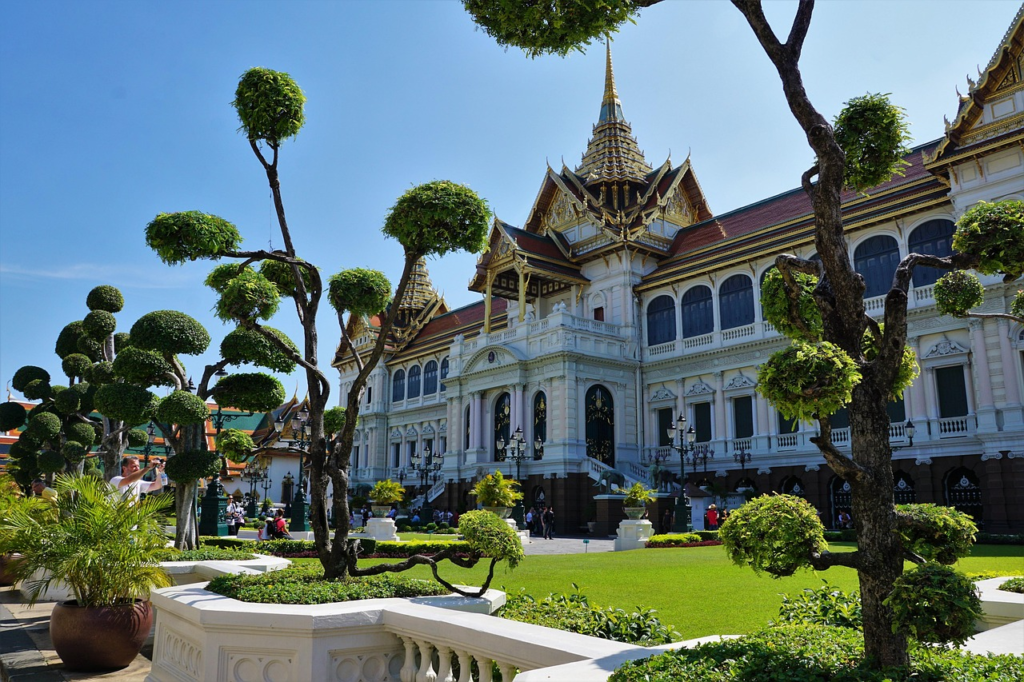
If you’ve imagined Bangkok as a maze of glittering temples, saffron-robed monks, and long-tail boats drifting along the Chao Phraya River, this is the part of the city you pictured. The Old Town (Rattanakosin) is the historic heart of Bangkok, home to its most iconic landmarks: the Grand Palace, Wat Pho with its giant reclining Buddha, and Wat Arun shimmering across the river at sunset.
Accommodation here leans toward boutique hotels and guesthouses, often set in restored heritage buildings. Many offer rooftop views over the temple rooftops, ideal for sunrise photographers.
Pros:
- Walking distance to Bangkok’s top temples and landmarks
- Full of character: old architecture, local markets, riverside cafés
- Excellent for sunrise/sunset photography and cultural immersion
Cons:
- Limited public transport access (no BTS/MRT nearby — expect taxis, tuk-tuks, or river ferries)
- Quieter after dark, with fewer nightlife options
💡 Tip: Spend 1–2 nights here to soak up the historic atmosphere and temple views, then move to Sukhumvit or Silom for modern Bangkok, rooftop bars, malls, and nightlife.
Sukhumvit (Asok–Thonglor): Modern & Connected
Best for: nightlife, convenience, long stays
Sukhumvit is Bangkok’s long, pulsing artery, a blend of sleek rooftop bars, global restaurants, boutique malls, and buzzing street markets all stitched together by the BTS Skytrain. From the upscale malls of Phrom Phong to the party zones of Nana and Asok, Sukhumvit is where Bangkok’s modern energy never seems to fade.
Thanks to excellent transport links, you can dine on authentic street food one minute, sip cocktails 40 floors up the next, and still easily make it home. It’s perfect for travellers who want a central base with modern comforts, especially if you plan to explore for several days.
Pros:
- Excellent BTS/MRT connections for zipping around the city
- Huge choice of accommodation, from hostels to 5-star hotels
- Endless dining, shopping, and nightlife options
Cons:
- Can feel busy and urban (not ideal if you want quiet evenings)
- Lacks the old-world charm of Rattanakosin
💡 Tip: Base yourself near Asok, Phrom Phong, or Thonglor for easy access to both luxury and local spots. Use the Bangkok Itinerary to plan routes along the BTS.
Silom: Business by Day, Buzz by Night
Best for: balance of culture and city life
Silom is Bangkok’s financial heart, skyscrapers by day, lively markets and rooftop bars by night. It’s a great middle ground between the historic sights of Old Town and the modern skyline of Sukhumvit. During the day, you can visit Lumphini Park for some green calm or hop a short ride to the river for temples and ferries. After dark, Silom’s night markets, restaurants, and sky bars light up with energy.
It’s also one of the more walkable districts, with plenty of hotels, cafés, and hidden local gems tucked down its side streets (sois).
Pros:
- Easy access to both Old Town and modern Bangkok
- Great mix of business hotels, mid-range stays, and rooftop bars
- Close to BTS/MRT and Lumphini Park
Cons:
- Can feel corporate in parts
- Nightlife can get rowdy around Patpong area
💡 Tip: Stay near Sala Daeng or Chong Nonsi BTS stations for the best mix of calm and convenience.

Chinatown (Yaowarat): Street-Food Central
Best for: foodies, street photographers, night owls
Bangkok’s Chinatown is an explosion of sights, smells, and sizzling woks. At sunset, Yaowarat Road transforms into one of Asia’s most vibrant street-food scenes, from grilled seafood to Michelin-rated noodles served on plastic stools.
Beyond the food, you’ll find gold shops, herbal pharmacies, and hidden temples behind old shopfronts. It’s an area best explored on foot, with a camera in hand, and with taste buds ready.
Pros:
- Unmatched street-food scene
- Great for photography and night exploration
- Close to the MRT (Wat Mangkon station)
Cons:
- Can feel chaotic and crowded
- Limited green space or quiet areas
💡 Tip: Stay here if you’re a foodie, and bring an appetite. Pair your stay with a few nights in Sukhumvit for comfort and connection. Follow the full food crawl in What to Eat in Bangkok.
Ari / Phrom Phong: Chill & Creative
Best for: café hoppers, digital nomads, slow travellers
If Sukhumvit is the flashy face of modern Bangkok, Ari is its effortlessly cool younger cousin. This neighbourhood blends local life with a rising creative scene, independent cafés, boutique stores, and leafy side streets where everyone knows the best brunch spot.
You won’t find major tourist attractions here, but that’s the point. Ari is about living like a local, doing morning coffee runs, going to weekend markets, and spending nights at rooftop craft beer bars or cosy Thai bistros. It’s quieter, greener, and perfect for travellers staying longer or looking to balance work and play.
Pros:
- Trendy, relaxed neighbourhood vibe
- Great food and café scene with local prices
- Close to BTS for easy trips into the city
Cons:
- Fewer big attractions nearby
- Limited nightlife compared to Sukhumvit
💡 Tip: Perfect for digital nomads or travellers wanting a slower, more authentic Bangkok base.
Price Ranges (Average per night)
Budget: £10–25 (hostels, guesthouses)
Midrange: £25–60 (3–4★ hotels or chic boutiques)
Luxury: £70–200+ (riverside resorts, 5★ rooftops)
Use Hostel World to find the best Budget Hostels & Booking.com for your hotels and boutiques
👉 Check exact rates by season in Best Time to Visit Bangkok.
Choosing Your Area (Quick Reference)
| Traveller Type | Best Area | Why |
| First-time visitor | Riverside / Old Town | Close to main sights |
| Nightlife seeker | Sukhumvit / Silom | Bars, rooftops, BTS access |
| Food lover | Chinatown / Ari | Street food + cafés |
| Family / couple | Riverside | Peaceful & scenic |
| Long stay / remote work | Ari / Phrom Phong | Chill & local feel |
Where This Fits in Your Stay
Most travellers start their Thailand route in Bangkok, spend 3–5 nights here before heading north to Chiang Mai or south to the islands.
See how it connects in our Thailand 10/14/21-Day Itineraries.
What to Read Next
- Bangkok Itinerary: 3, 5 & 7 Days – plan your days around these areas
- What to Eat in Bangkok – exact spots near each neighbourhood
- Best Things to Do in Bangkok – top highlights near your hotel
- Best Time to Visit Bangkok – when to come & when to book
- Bangkok Safety Guide – what to know about taxis, scams & ID rules
Final Tip
Bangkok is huge, you won’t find one perfect area.
Split your stay: a few nights riverside or Old Town for culture, then move to Sukhumvit for food and nightlife. You’ll experience two sides of the same city, and love both.
Useful Booking Resources For Your Trip
- NordVPN – Stay secure on public Wi-Fi and access your home streaming/services abroad with fast, encrypted VPN connections.
- Hostelworld – Budget-friendly hostels and social stays, perfect for backpackers and solo travellers looking to meet people.
- Booking.com – Hotels, apartments, and guesthouses with tons of reviews and free-cancellation options on many stays.
- GetYourGuide – Curated tours, tickets, and city experiences with flexible cancellation and mobile vouchers.
- Airalo – Instant eSIMs for 200+ countries, land, scan, and get data without hunting for a local SIM card.
- We Go Trip – Self-guided audio tours you can start anytime, explore cities and attractions at your own pace with app-based guides.
- Viator – The biggest marketplace for tours and activities, skip-the-line tickets, day trips, and unique experiences worldwide.
- 12Go – Easy booking for buses, trains, and ferries across Asia, compare routes and lock in seats in advance.